When starting a project with a custom OEM scissors manufacturer or creating a private-label cutlery line, buyers often spend hours refining blade steel, handle ergonomics, and surface finishes. Once the product design is finalized, another important question arises: How should it be packaged?
Packaging does more than protect sharp edges during transit. It is often the product's first point of contact with retail shoppers and online buyers. The right format can improve shelf presentation, communicate brand value, support safe handling, and reduce damage in distribution.
This guide compares the most widely used OEM scissors and knife packaging options, from retail-ready blister cards to protective boxes, pouches, and trays.
Product shapes and overall appearance reflect actual items, while product images, logos, packaging marks, and other display details may be manually edited for display purposes only.
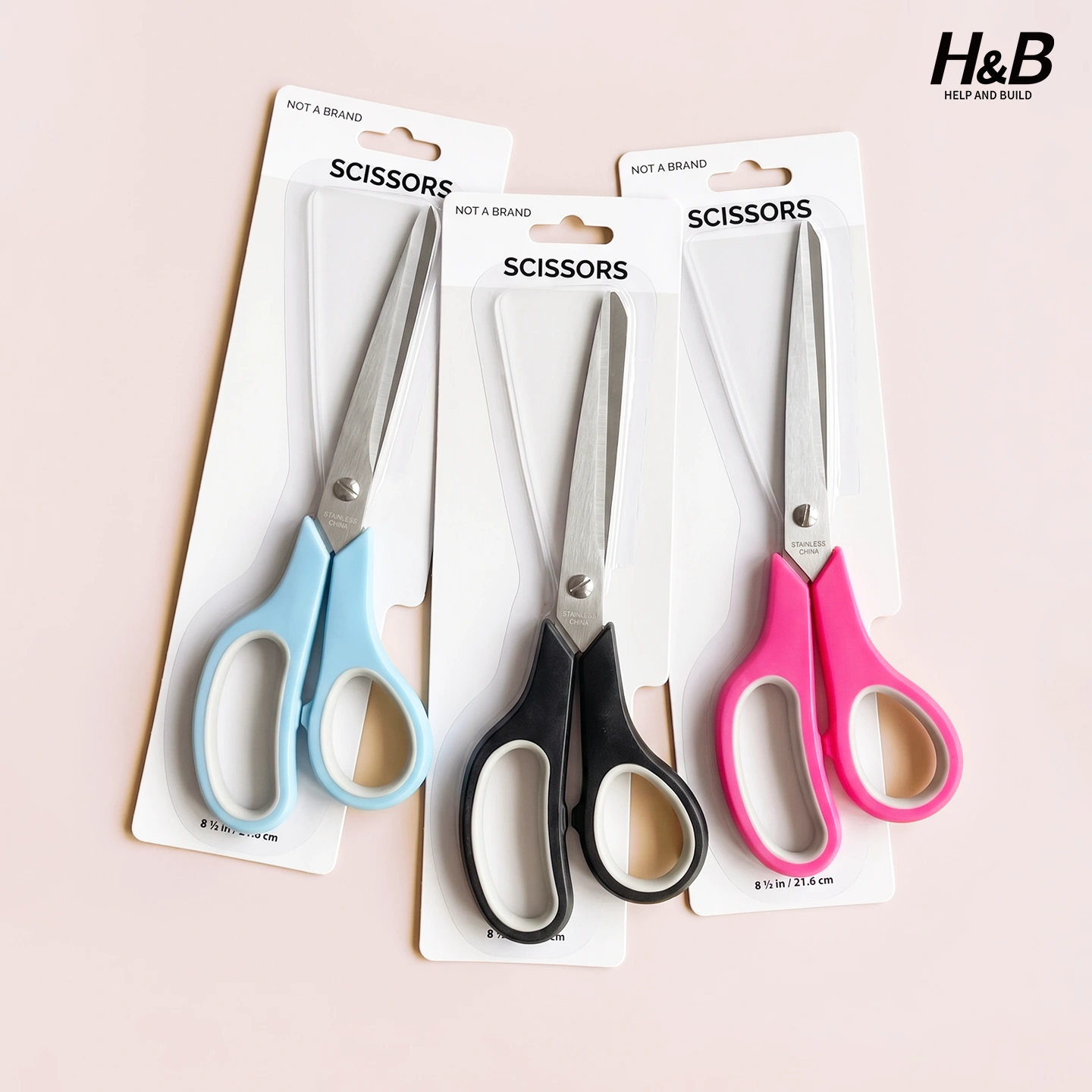
1. Blister and Paper Card Packaging
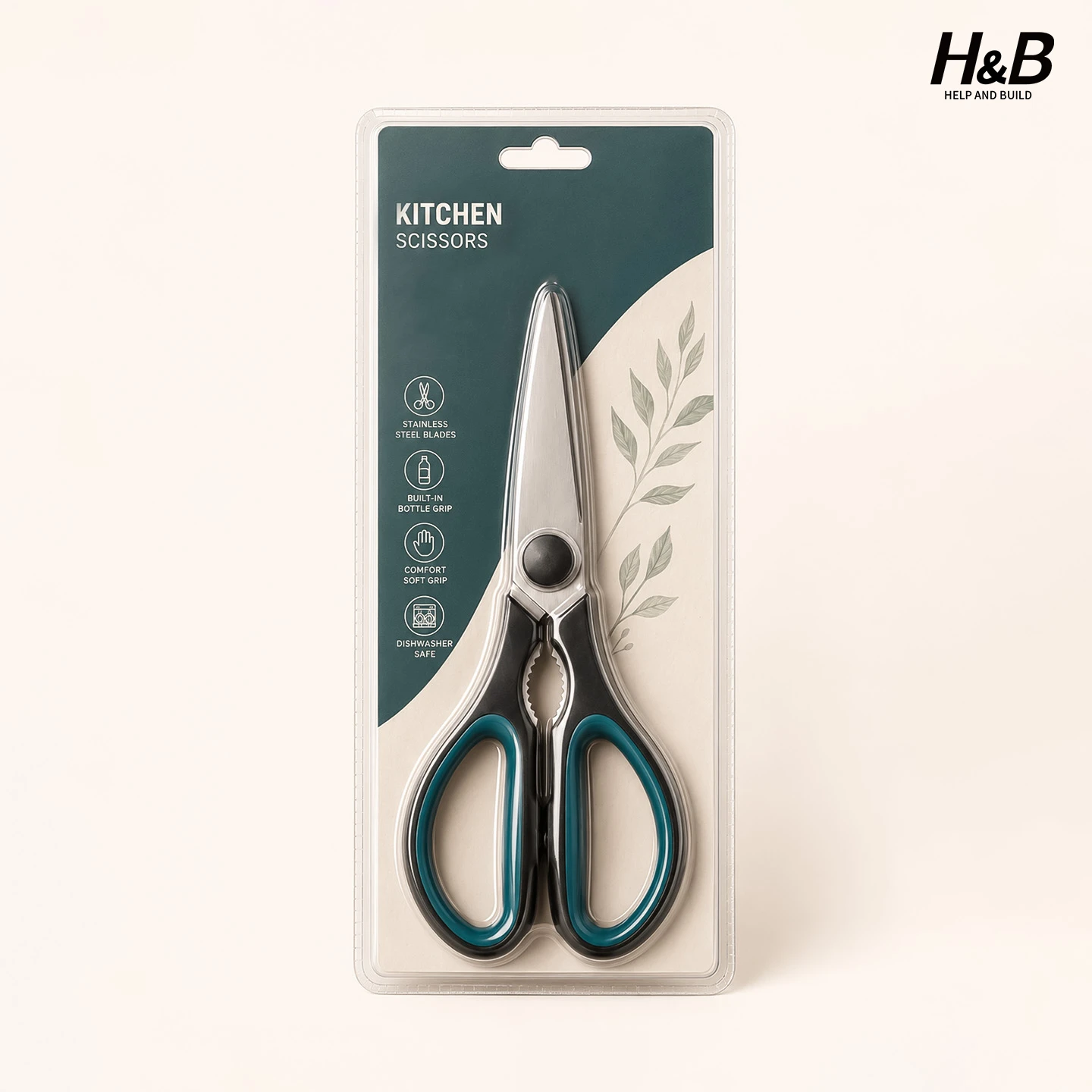
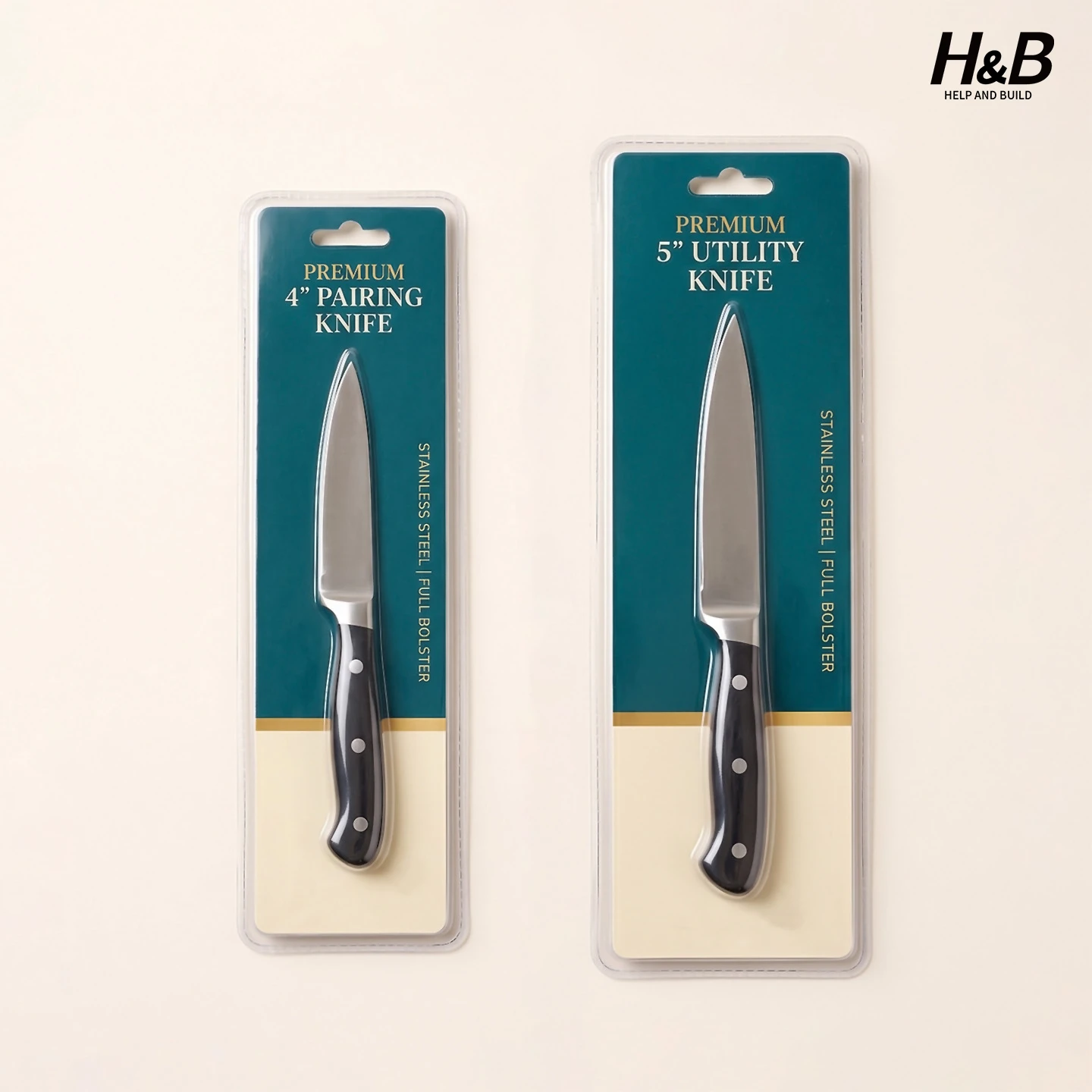
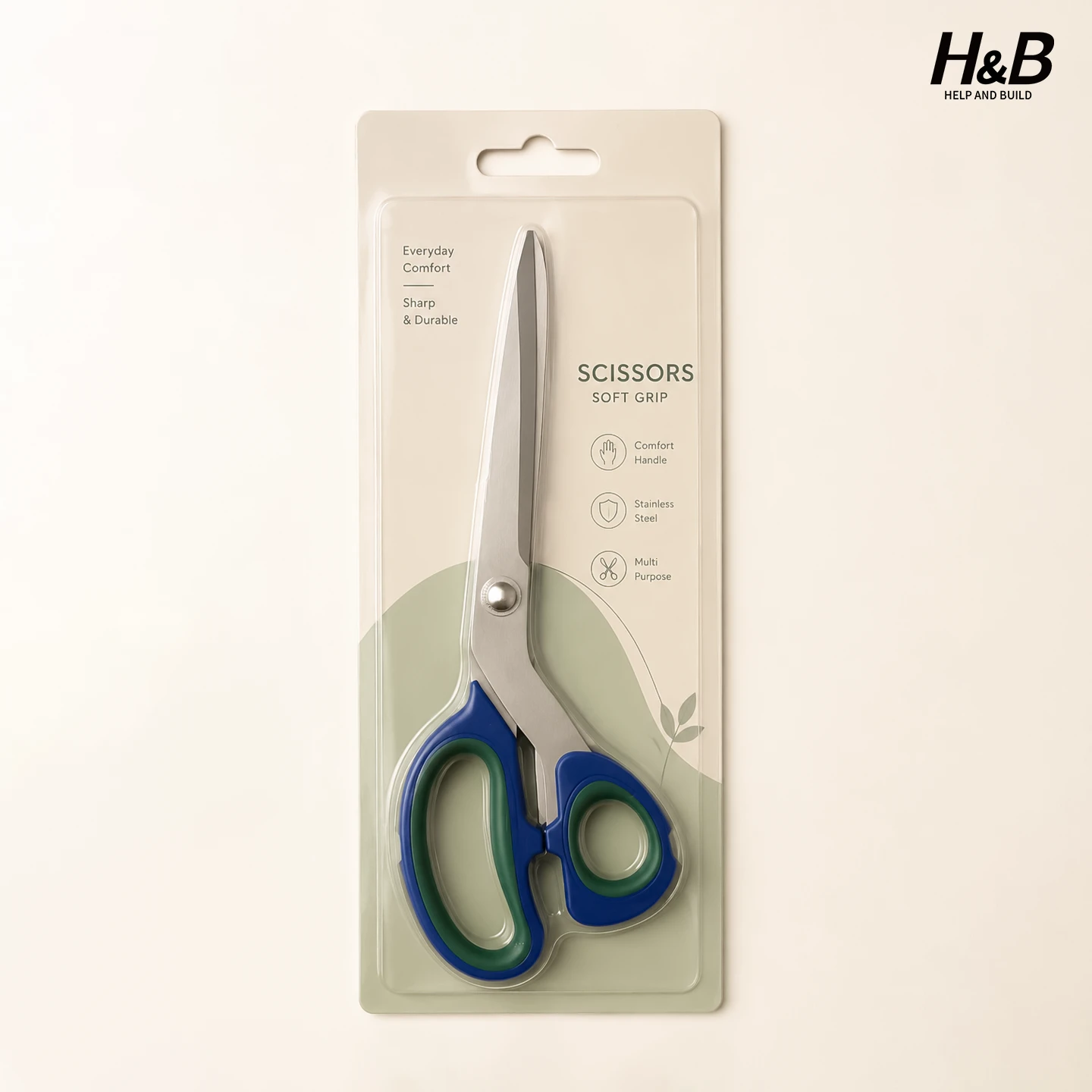
Paper cards combined with thermoformed plastic are among the most common packaging choices for retail scissors and utility knives. They provide strong product visibility, use peg-hook space efficiently, and leave room for instructions, specifications, barcodes, and brand graphics.
A. Single Blister Card vs. Slide Card
These formats can look similar on a retail rack, but their assembly methods and practical benefits differ.
Single blister card (heat-sealed): A custom-molded plastic cavity holds the product and is heat-sealed directly to a coated paperboard backing.
- Advantages: Dust-resistant, tamper-evident, and effective at keeping the product in a fixed position.
- Considerations: The heat-seal coating and sealing conditions must be matched carefully. Once opened, the package generally cannot be reused.
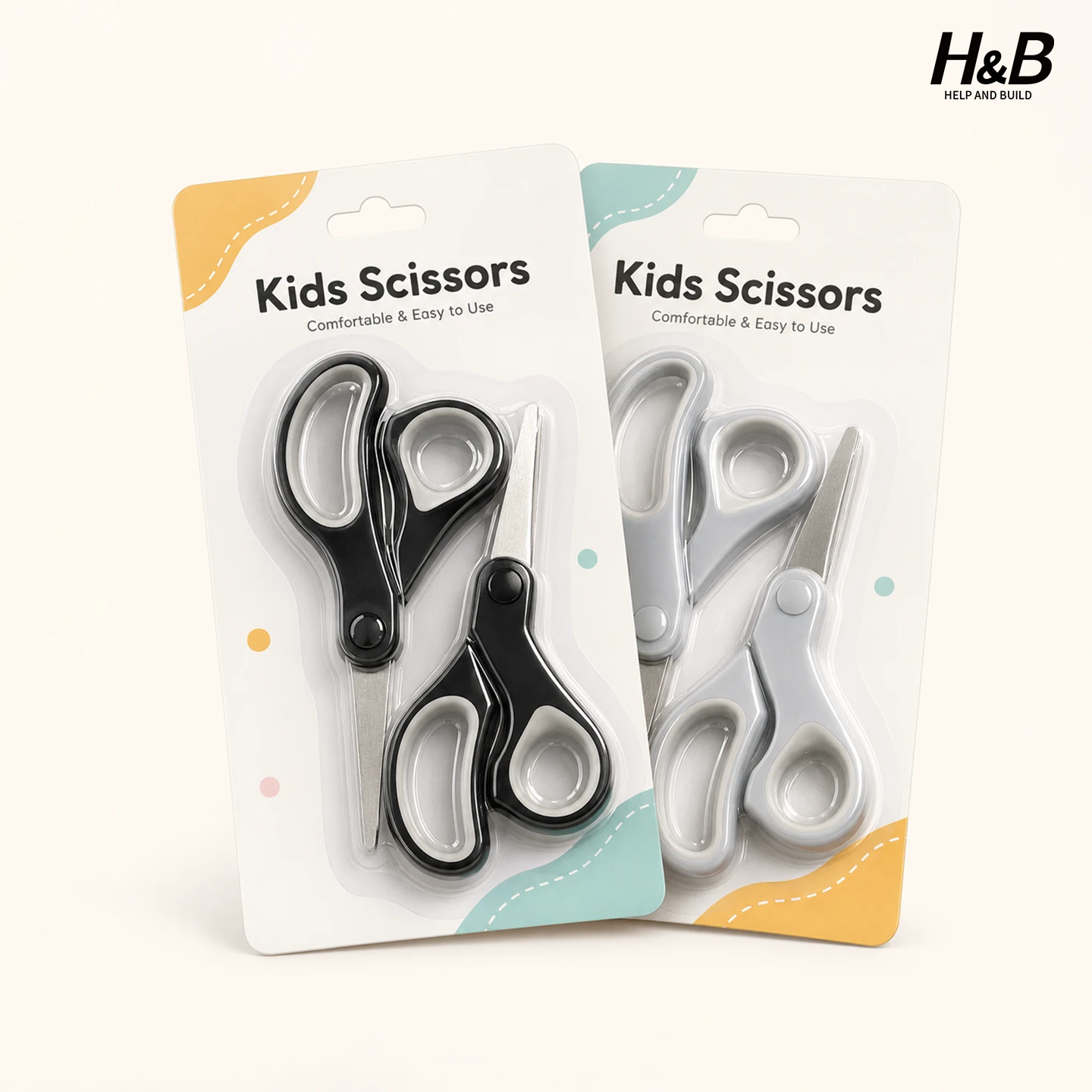
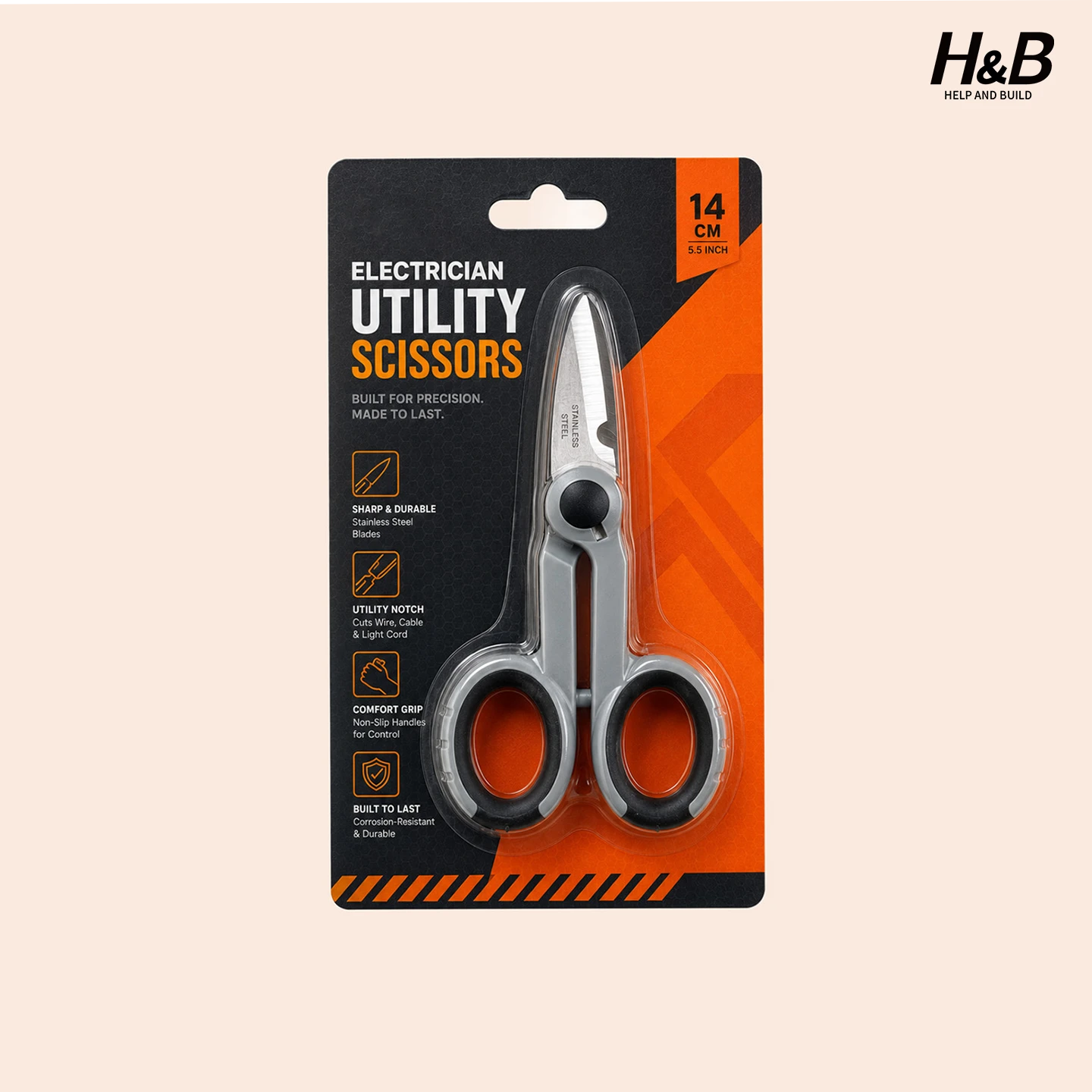
Slide card (slide blister): The plastic blister has folded edges on three sides, allowing a printed paper card to slide into the channels.
- Advantages: No heat-sealing adhesive is required. Assembly is simple, machinery requirements are lower, and the card can be removed for inspection or repacking.
- Considerations: The open edge is usually less dust-tight than a fully heat-sealed blister.
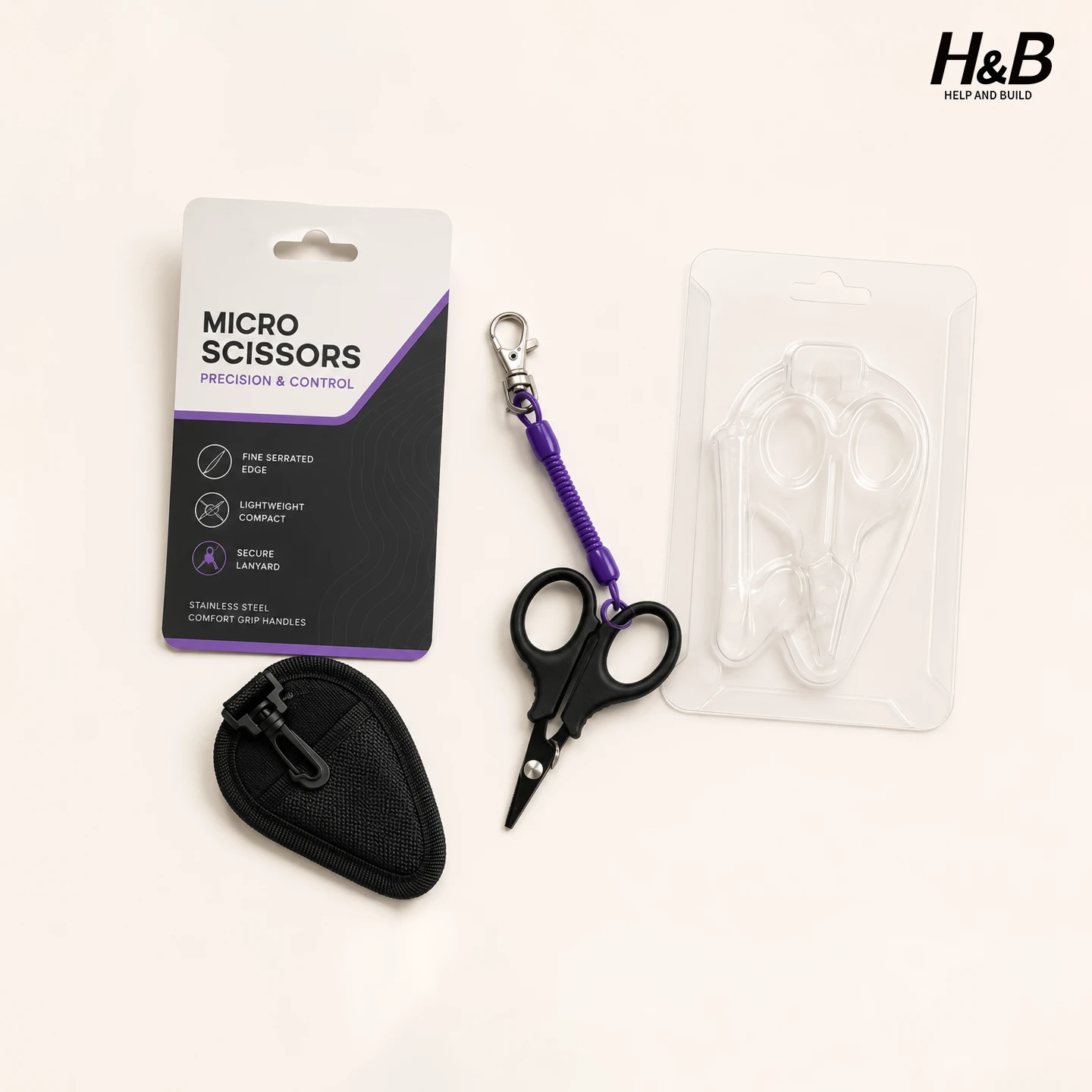
B. Double Blister (Clamshell) Packaging
Double blister packaging uses two molded plastic halves to enclose the product and a double-sided printed card.
- Why choose it? It offers strong structural rigidity, impact resistance, and all-around dust protection. It works well for kitchen scissors, utility knives, heavy-duty shears, and multi-piece sets.
- What should buyers consider? The mold is more complex than a single blister, and the finished packaging takes up more shipping volume. Tooling costs can be significant for small production runs.
C. Try-Me and Half-Blister Cards
A try-me card leaves the handle exposed while covering or securing the blades. Shoppers can feel the weight of the product and test the ergonomic grip without opening the package.
This format is particularly useful when handle comfort is a major selling point. The card and blister structure still need to keep fingers away from sharp edges and prevent the product from being removed from the display.
D. Reduced-Plastic Hanging Cards
Buyers looking to reduce blister plastic can consider two practical card-based formats:
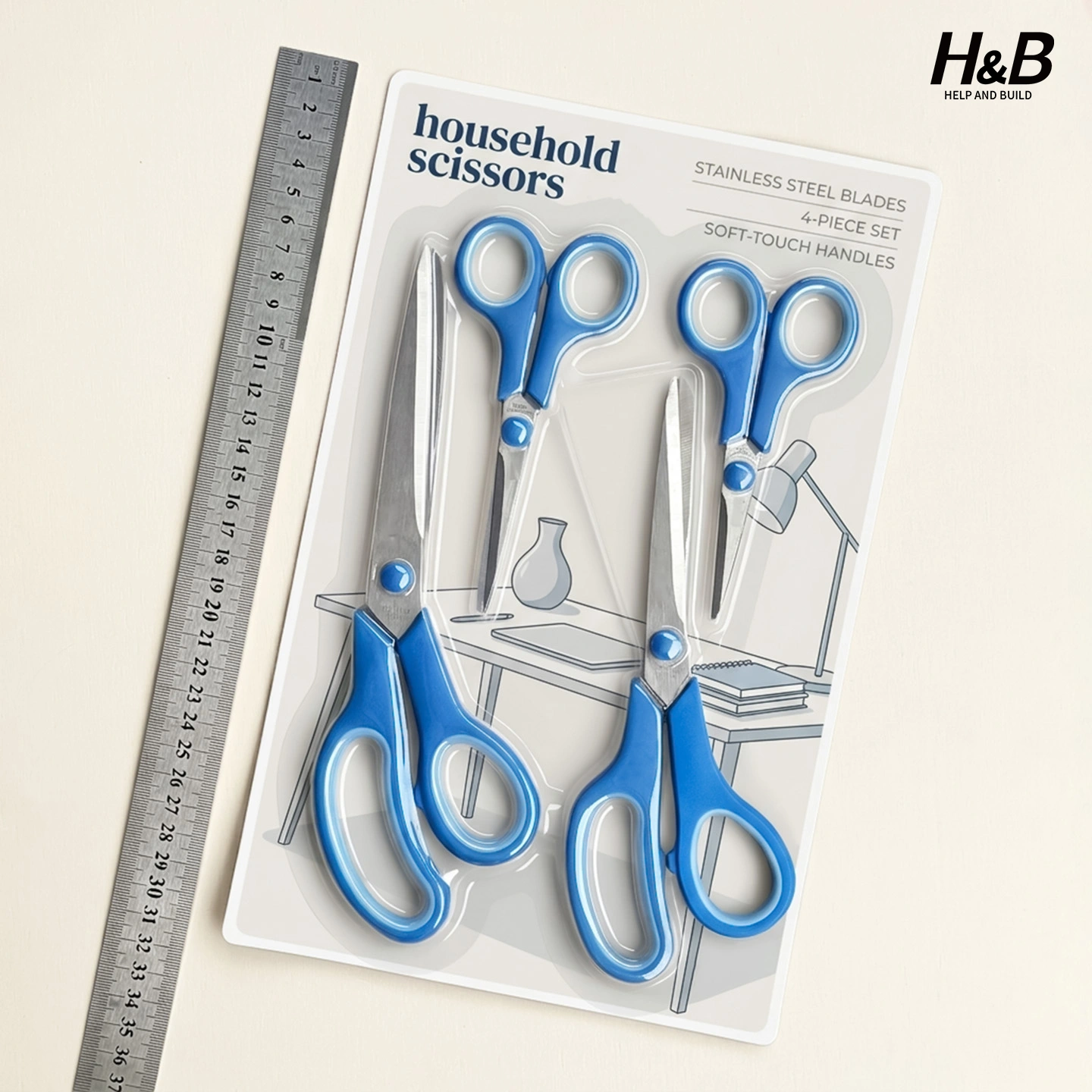
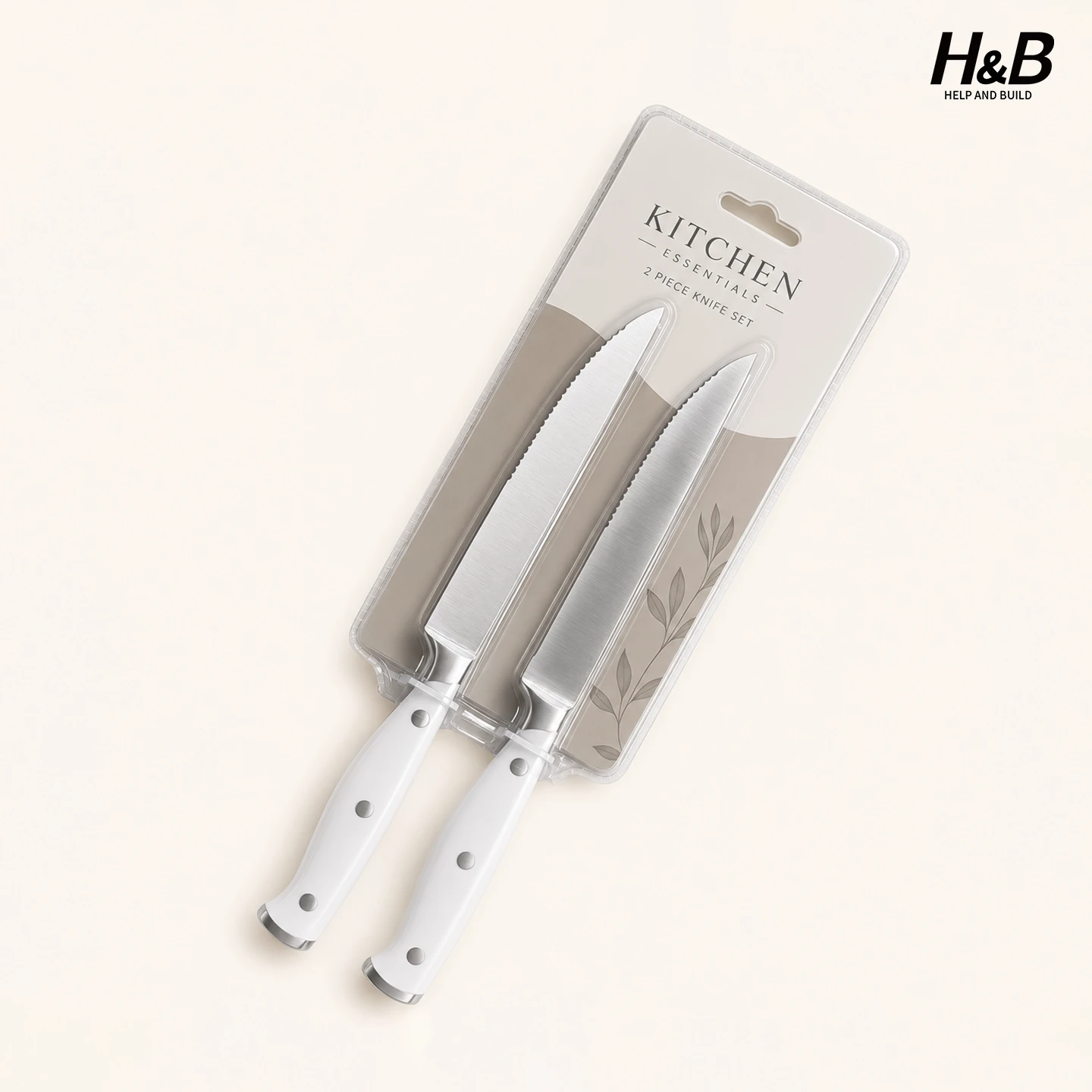
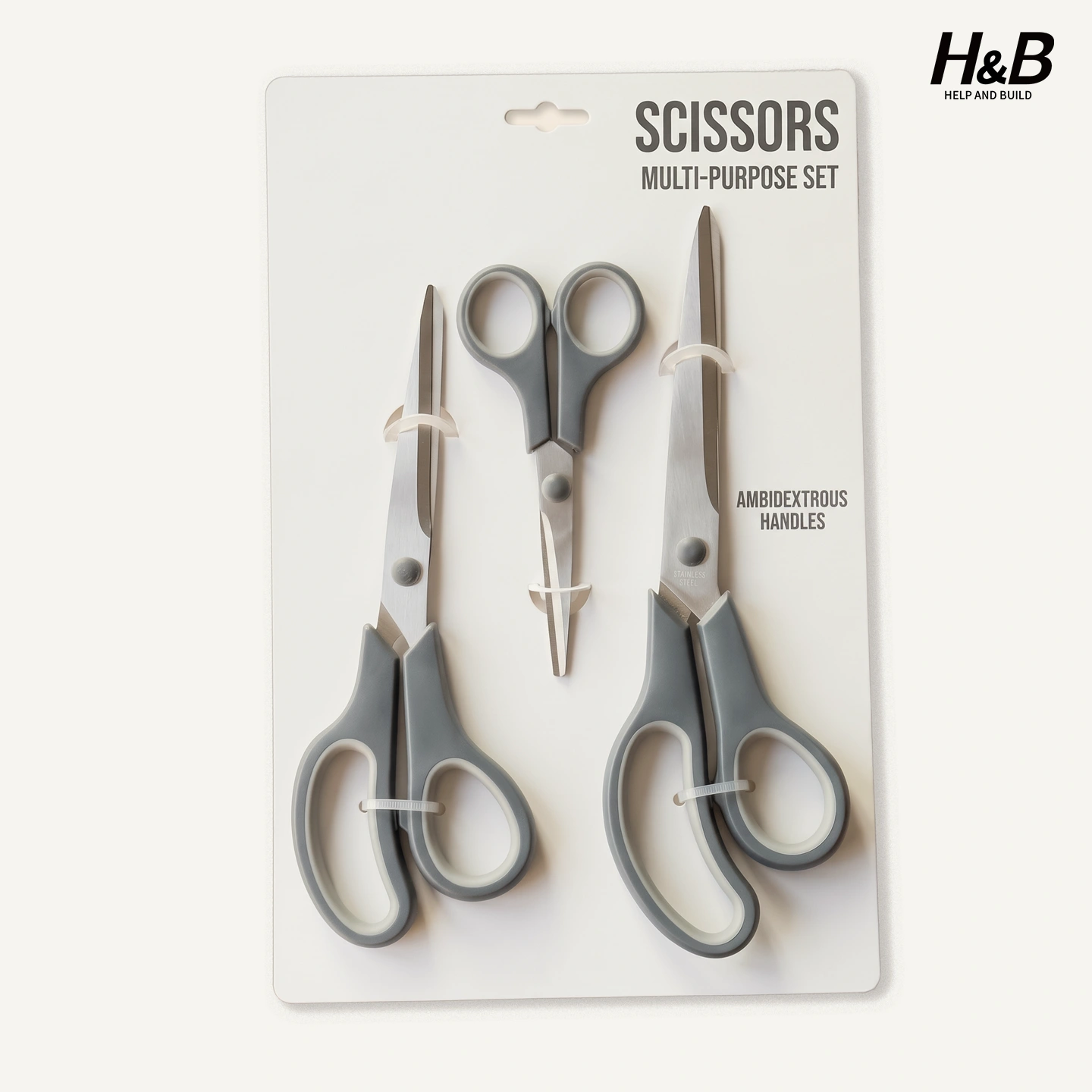
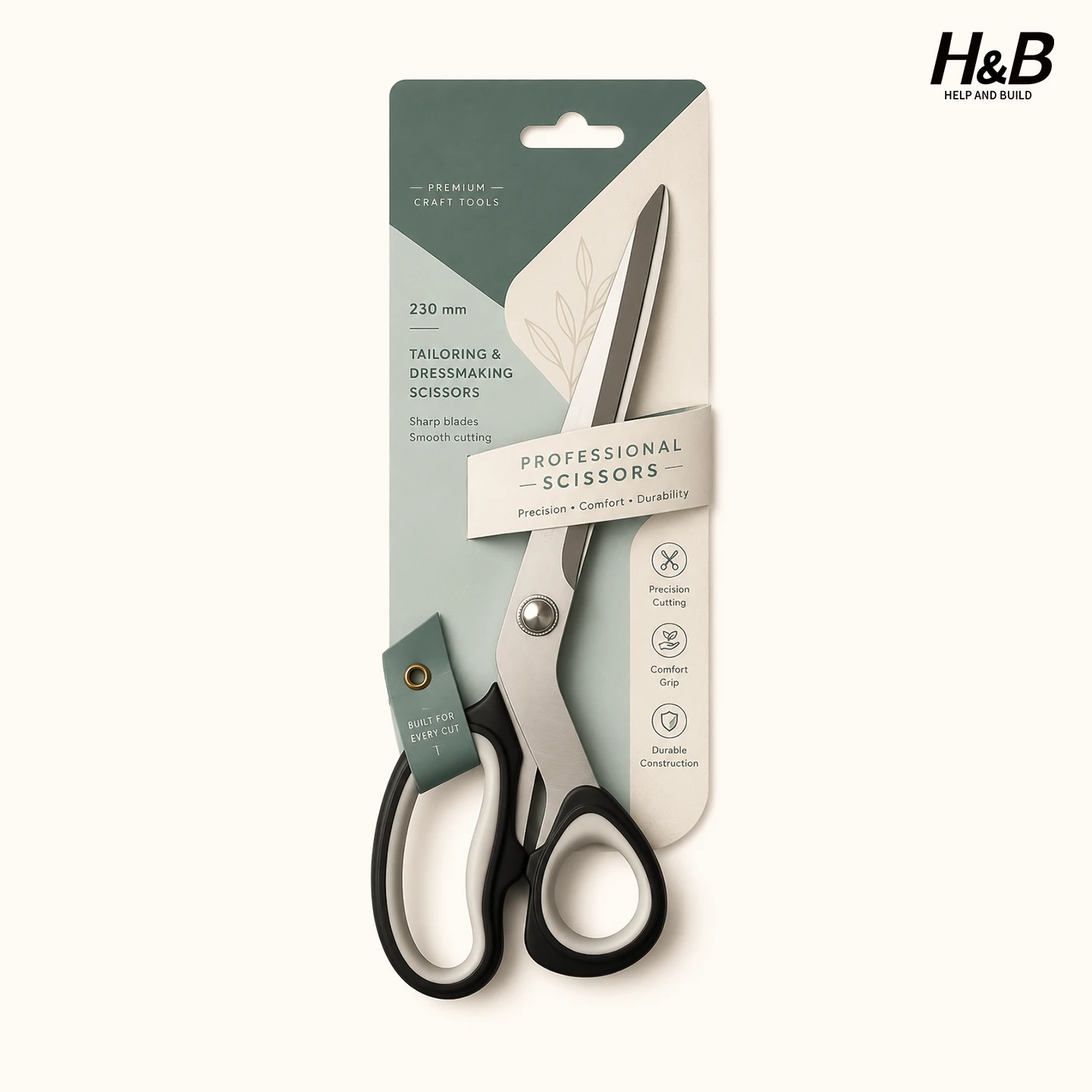
- Hanging card with cable ties or wire: A heavy paperboard backing has pre-punched mounting holes. The product is secured with self-locking nylon ties or paper-coated galvanized wire.
- Stapled, riveted, or pinned card: The paperboard folds over the top or middle of the tool and is fixed with heavy-duty staples, eyelets, or rivets.
Material note: PVC has traditionally been used for blister packaging because of its clarity and low cost. Many OEM customers now specify PET or RPET instead. PET offers high clarity and is compatible with more recycling streams where local facilities accept it. Material selection should follow the regulations and recovery infrastructure of the destination market.
Choosing the Right Cardstock Weight
Paper weight in export packaging is normally specified in GSM (grams per square meter). Adequate paperboard stiffness helps prevent cards from sagging or curling on retail pegs.
| Cardstock type | Recommended weight | Characteristics and common uses |
|---|---|---|
| C1S art board (coated one side) | 250-350 GSM | Printed coated front with an uncoated back; commonly used for heat-sealed single blister cards. |
| C2S art board (coated two sides) | 300-400 GSM | Smooth finish on both sides; suitable for slide cards, double blisters, and premium hanging cards. |
| Duplex board (white or grey back) | 300-450 GSM | Cost-effective board with good stiffness for high-volume retail packaging. |
Final board weight should also account for product weight, card dimensions, hanging-hole reinforcement, print finish, and humidity during shipping and storage.
2. Box Packaging
Paper boxes suit products intended for boutique retail, e-commerce, premium gifting, or any channel where protection and unboxing experience matter more than peg-hook efficiency.
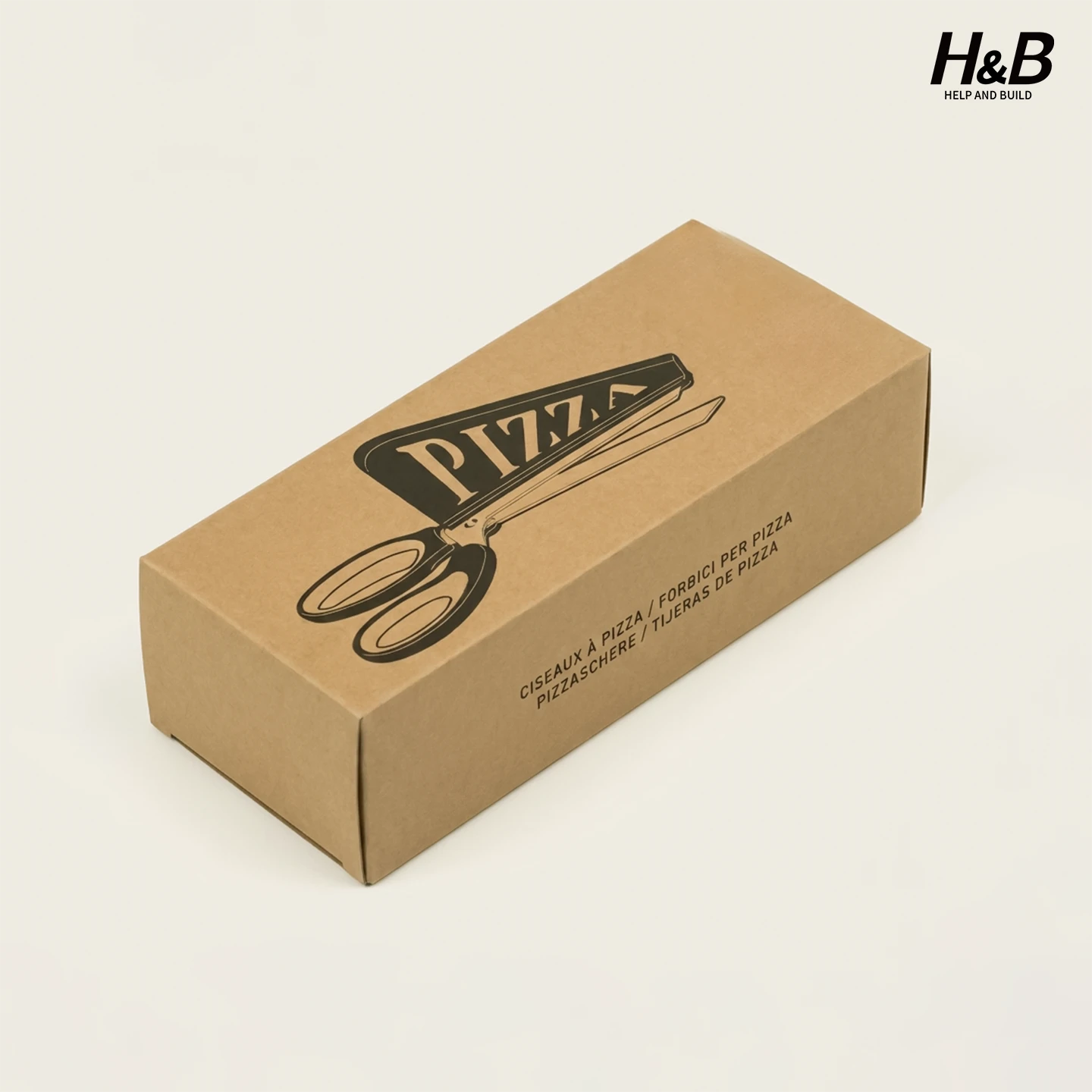
A. Corrugated Boxes (Micro-Flute or E-Flute)
These lightweight corrugated boxes use thin fluting, commonly E-flute or F-flute, to provide more crush resistance than folding paperboard.
- Best for: Heavy shears, multi-piece knife sets, pizza scissors, or direct-to-consumer shipments.
- Advantages: Better protection during courier transit, with a printable outer surface for product and brand information.
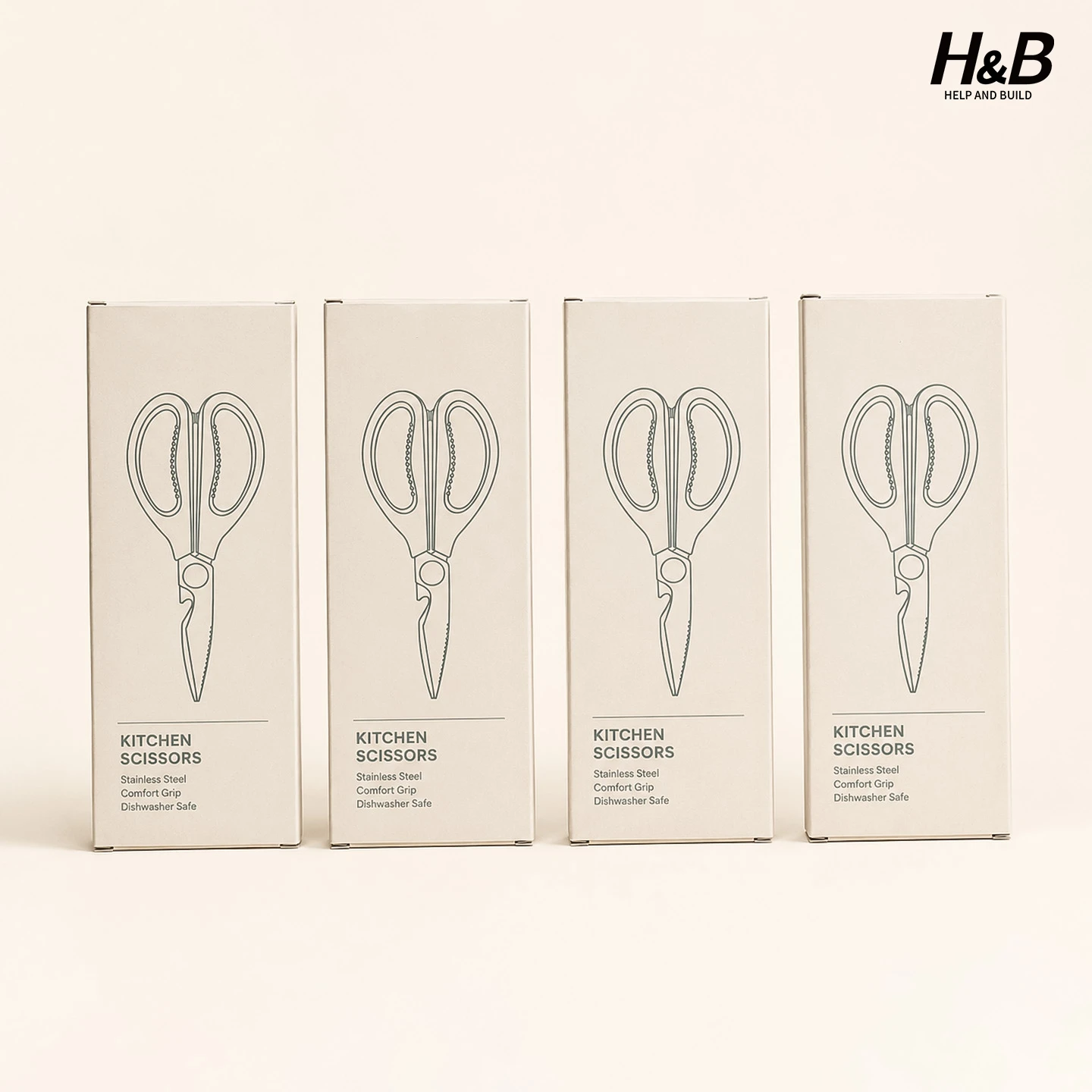
B. Paperboard Folding Cartons
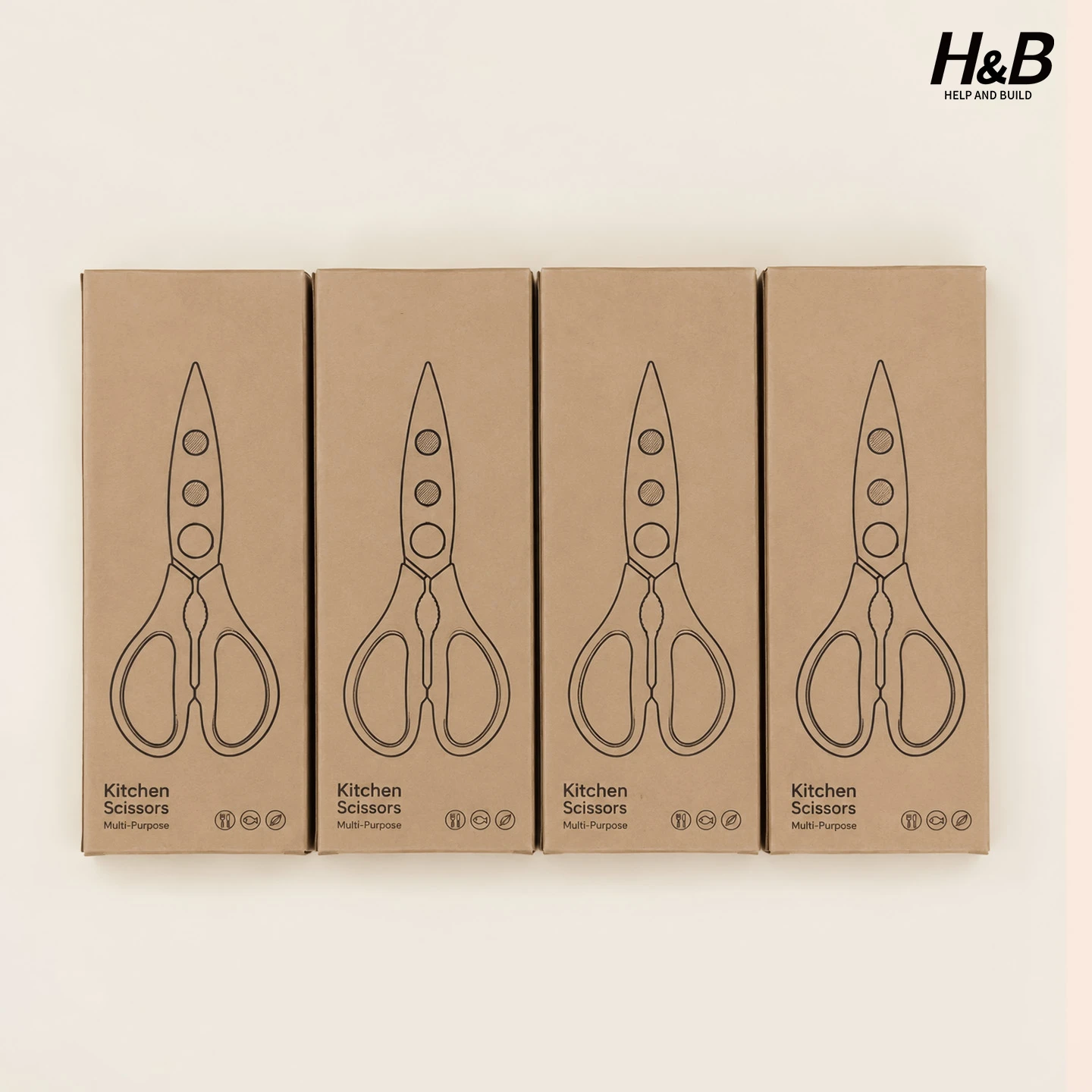
Standard color boxes are commonly made from 300-400 GSM C1S or C2S paperboard. They ship flat and are opened during final packaging assembly.
- Best for: Compact kitchen shears, embroidery scissors, household scissors, and budget cutlery.
- Advantages: Lightweight, cost-effective, and customizable with matte or gloss lamination, spot UV, embossing, and foil stamping.
C. Window Boxes
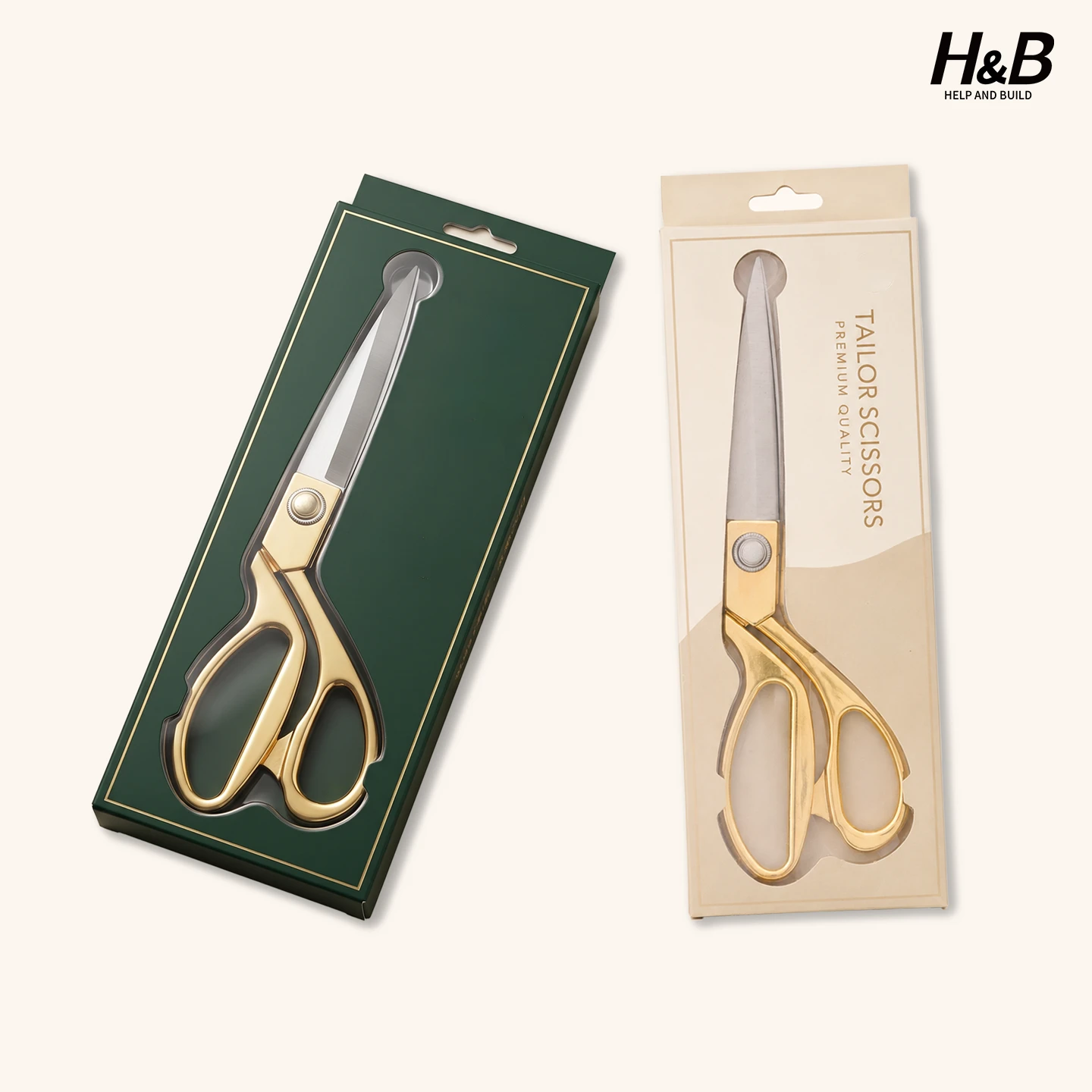
A window box combines a paperboard carton with a clear die-cut window, usually made from PET or PVC film.
- Best for: Mid-range kitchen tools and decorative tailoring scissors.
- Advantages: Shoppers can inspect the blade finish, logo, handle color, and overall proportions without opening the box.
D. Countertop Display Boxes (PDQ or Shelf-Ready Packaging)
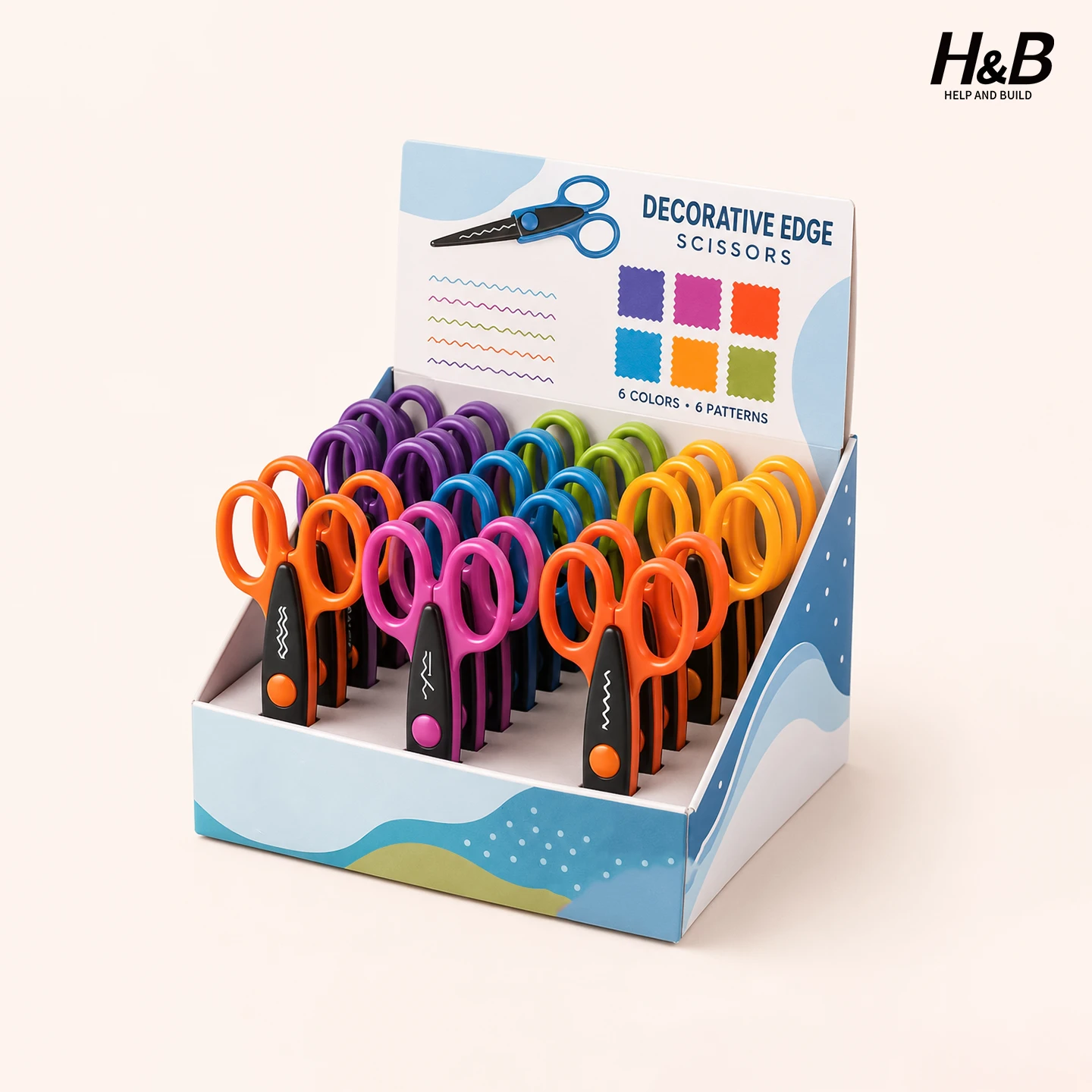
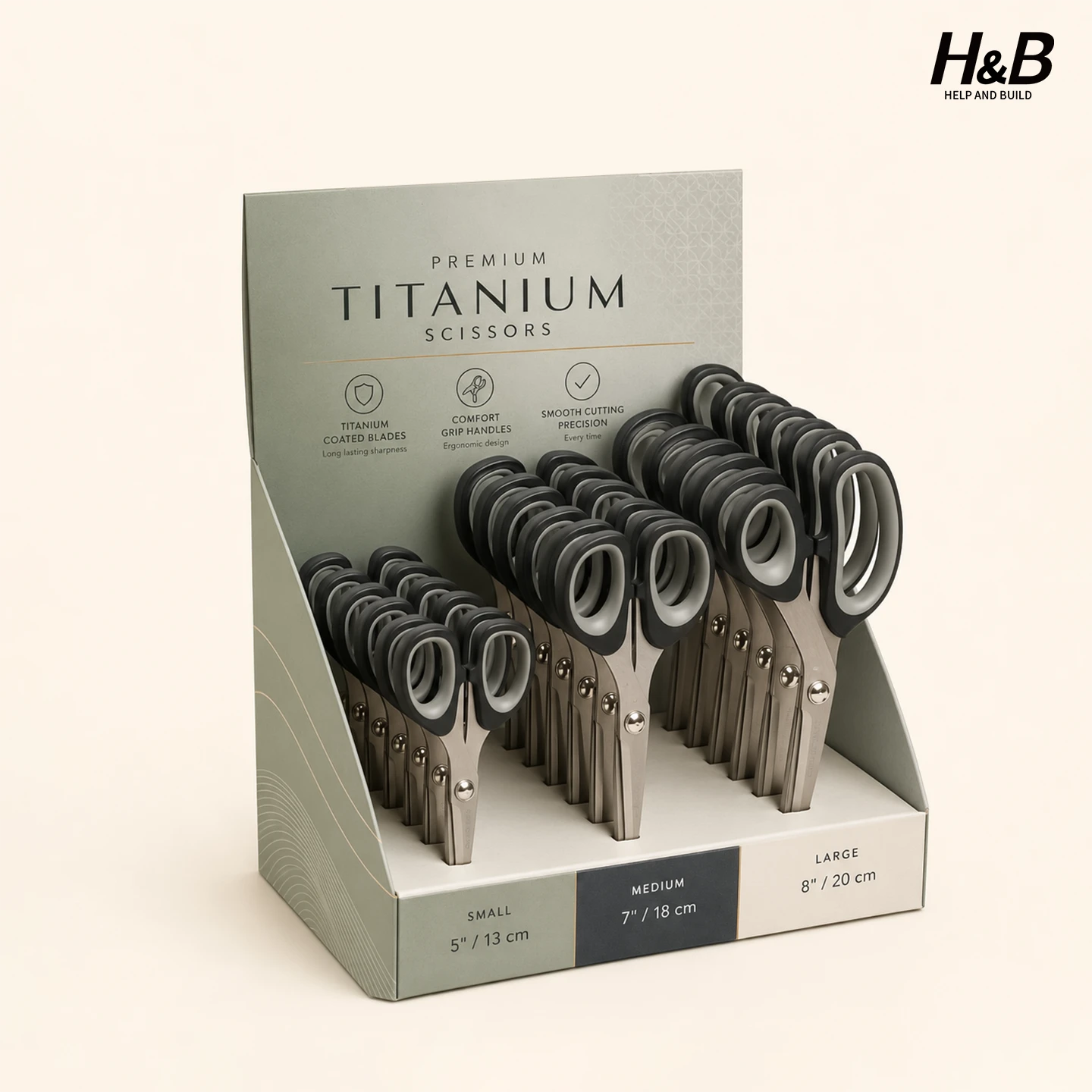
A PDQ display box is a shipper that converts into a countertop or shelf display at the store. Depending on the product size, it may hold 12 to 24 individually packed scissors or utility knives.
This format reduces store setup time and is useful for checkout areas, promotional displays, and products sold in multiple colors.
3. Pouches and Thermoformed Trays
When peg-hook display is not required, pouches and internal trays provide compact alternatives for storage, transport, and presentation.
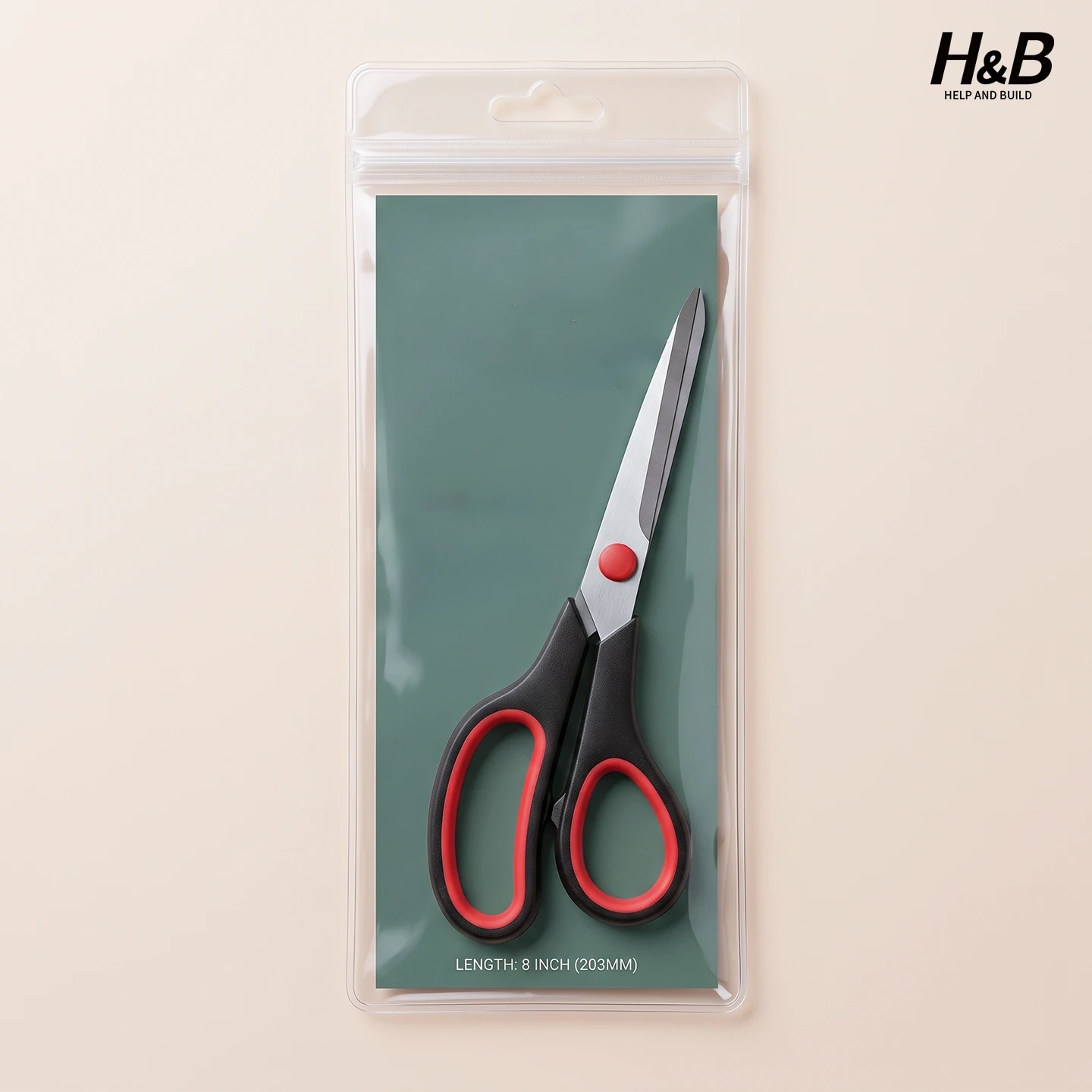
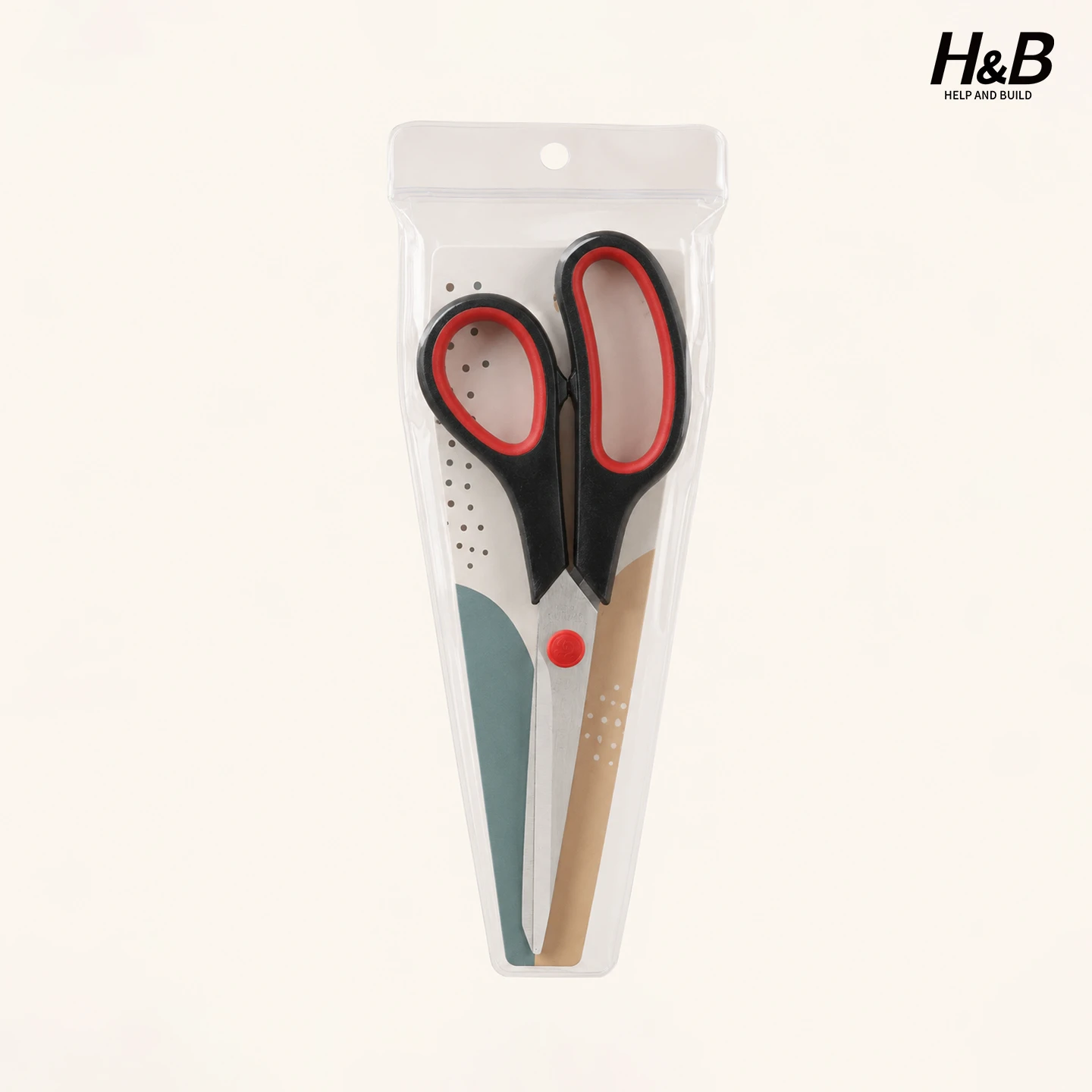
A. PVC and EVA Pouches
Soft PVC or frosted EVA pouches can be made to size and fitted with snap buttons, zip closures, or slide seals.
- Advantages: Economical, water-resistant, dust-resistant, and compact for bulk packing.
- Considerations: Flexible pouches provide less impact and crush protection than rigid packaging. Material and disposal requirements should be checked for the destination market.
B. Internal Thermoformed Trays
A vacuum-formed tray, often made from PET or PS, sits inside a color box or gift box. Custom-contoured cavities keep the scissors and accessories aligned and separated.
- Advantages: Organized presentation, reliable product positioning, and improved shock protection inside the outer box.
- Considerations: A custom mold adds an initial development cost, although per-unit costs can be efficient at higher order volumes.
Quick Packaging Comparison
| Packaging style | Unit cost | Initial tooling | Retail impact | Protection | Reduced-plastic potential |
|---|---|---|---|---|---|
| Single or slide blister card | Medium | Low | High | Medium | Medium with PET or a smaller blister |
| Double blister clamshell | High | Medium-high | High | Very high | Low-medium |
| Hanging card | Low | Very low | Medium-high | Low-medium | High |
| Corrugated box | High | Low | High | High | High |
| Folding or window box | High | Low | High | Medium | Medium-high, depending on the window |
| PVC or EVA pouch | Very low-low | None-low | Moderate | Low-medium | Low |
Actual pricing depends on dimensions, material thickness, printing, finishing, assembly, order quantity, and tooling. A physical packaging sample is the best way to confirm product fit and presentation before mass production.
How to Choose the Right Format
The best packaging for a custom scissors or knife project depends on three factors: sales channel, shipping conditions, and brand positioning.
- For mass retail and peg hooks: Start with a 300 GSM or heavier single blister card or slide card.
- For reduced-plastic programs: Consider a reinforced hanging card or an all-paper folding carton.
- For e-commerce: Use a corrugated box or add an outer shipping carton that can withstand parcel handling.
- For premium cutlery and gift sets: Consider a printed window box, rigid gift box, or corrugated box with a contoured internal tray.
Work With Us
H&B Houseware can help you match packaging structure, materials, printing, and assembly to your target market. We support custom cards, blisters, boxes, pouches, trays, and display packaging for OEM and ODM scissors and knife projects.
To discuss packaging options or request physical samples, contact us at [email protected].